
Clariant continues the advance of propane dehydrogenation technology with new CATOFIN® 311 catalyst
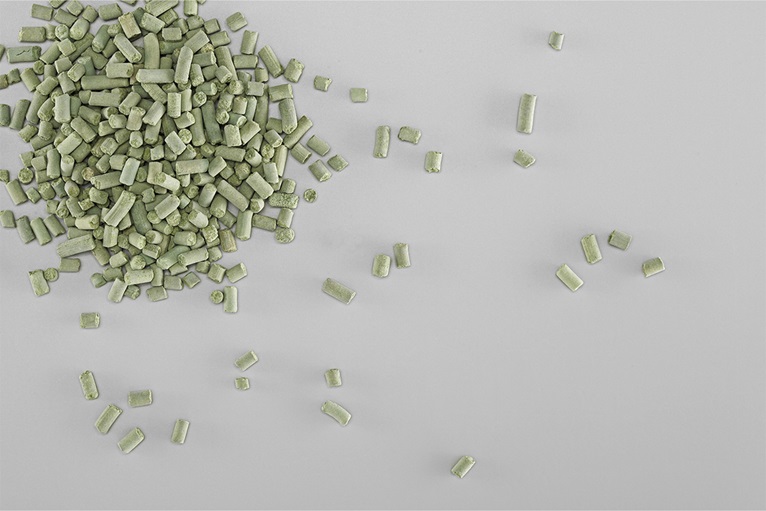
- New propane dehydrogenation catalyst further enhances proven benefits of previous CATOFIN generations
- CATOFIN 311 is designed to offer even higher selectivity and longevity
- Typical customer plants could benefit from increased productivity of up to $20 million over the lifetime of the catalyst
Munich, June 13, 2019 – Clariant, a focused and innovative specialty chemical company, today announced the launch of its latest propane dehydrogenation catalyst, CATOFIN 311. The new catalyst continues the CATOFIN success with a solution that delivers even greater selectivity and a longer lifetime of service, resulting in increased overall profitability for propylene producers.
With over 60 years of continuously improved performance, CATOFIN dehydrogenation is a highly reliable and productive method for light paraffin dehydrogenation. The process operates at optimum reactor pressure and temperature to maximize conversion of propane to propylene, while reducing investment and operating costs.
As an ongoing commitment to advance catalyst technology, Clariant and its licensing partner McDermott’s Lummus Technology consistently improve the CATOFIN process with innovations such as Heat Generating Material (HGM) and new catalyst generations. Thanks to its extraordinarily high reliability and selectivity, CATOFIN delivers excellent production output annually compared to alternative technologies. Over the last two years, CATOFIN technology has been selected for 11 new PDH projects worldwide, resulting in a total of 7 million tons of annual propylene production capacity.
Now, CATOFIN 311 further enhances the proven benefits of previous generations through improvements in selectivity and longevity. For a typical 600 kta PDH unit, customers could benefit from increased productivity of up to $20 million over the lifetime of the CATOFIN 311 catalyst.
Stefan Heuser, Senior Vice President & General Manager Business Unit Catalysts at Clariant, commented, “With the successful development of CATOFIN 311, we have reached yet another milestone in our advanced propane dehydrogenation technology. It is through this relentless commitment to innovation that we continue to add value to our customers’ businesses."
CATOFIN® IS A TRADEMARK OF CLARIANT REGISTERED IN MANY COUNTRIES.