Sustainable Aviation Fuels: Paving the way to greener skies
Jet fuel derived from non-fossil sources required to defossilize the aviation sector

Chemical and physical similarity
SAF mirrors the properties of traditional jet fuels, ensuring seamless integration into existing aviation infrastructure.

Lower life-cycle emission
SAF significantly reduces emission, contributing to a more sustainable and eco-friendly aviation industry.

Mixability and compatibility
SAF can be safely blended with conventional JET fuels, utilizing the same supply infrastructure without disruption.

No aircraft or engine adaptations
The transition to SAF requires no costly aircraft or engine modifications, allowing for a smooth and cost-effective adoption process.

Sustainable feedstock sourcing
SAF is produced from sustainable feedstock to lower greenhouse emissions.

How Clariant Catalysts enable scalable SAF production across HEFA, Alcohol-to-Jet, Methanol-to-Jet & Power-to-Liquids pathways
Aviation accounts for around 2.5% of global CO₂ emissions and is one of the hardest sectors to decarbonize. Sustainable Aviation Fuel (SAF), produced from renewable feedstocks like used cooking oil, agricultural waste, or CO₂, is the fastest, most cost-effective solution. As a drop-in fuel, SAF requires no aircraft modifications and works with existing infrastructure.
Catalysts are the critical technology enabling scalable, cost-competitive SAF production. With over 15 years dedicated to the energy transition and 30+ years of commercial fuel synthesis experience, Clariant offers proven catalyst and adsorbent solutions across all major SAF production routes: Hydroprocessed Esters and Fatty Acids (HEFA), Alcohol-to-Jet (AtJ), Methanol-to-Jet (MtJ), and Power-to-Liquids, improving process efficiency, yields, and economics.
Clariant offers catalyst solutions for the major SAF production routes
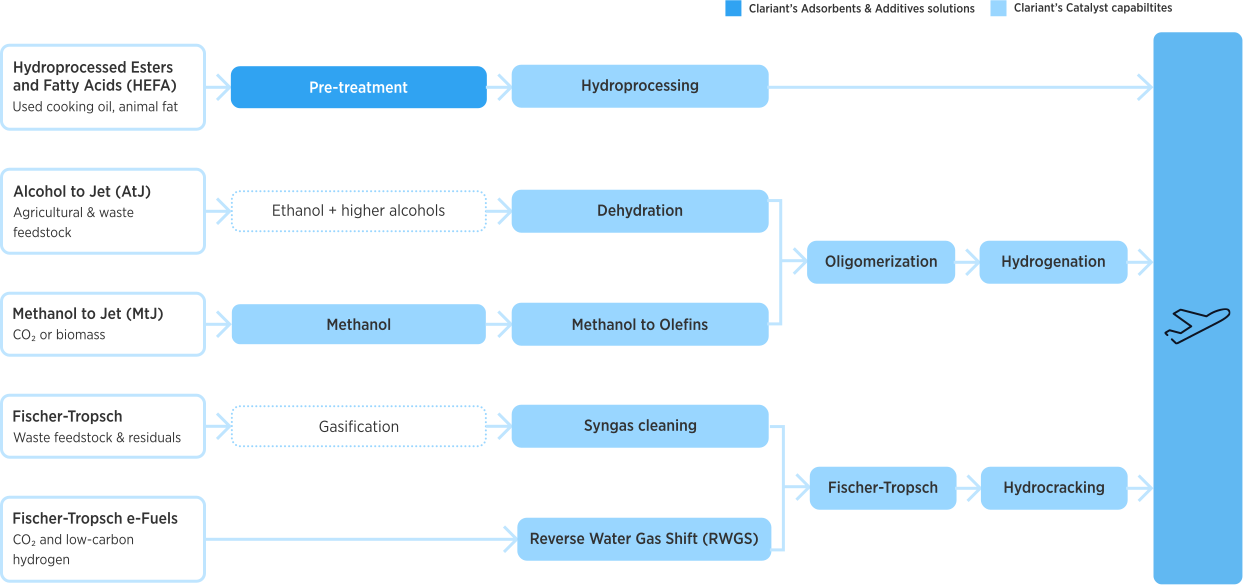
Clariant catalyst solutions for Alcohol-to-Jet (AtJ) SAF production
The Alcohol-to-Jet (AtJ) pathway offers a promising route to decarbonize aviation by utilizing alcohols derived from various sustainable sources, including fermentation of agricultural residues, waste biomass, or captured CO2.
Ethanol-to-Jet (EtJ) starts with the dehydration of bio-ethanol into ethylene, which is then oligomerized into longer hydrocarbon chains and finally hydrogenated to produce a jet fuel blendstock ready for use.
Methanol-to-Jet (MtJ) starts with the production of e-Methanol or green methanol from sustainable feedstock which is then converted into light olefins through the Methanol-to-Olefins (MTO) process, and subsequently oligomerized into longer-chain hydrocarbons and hydrogenated to produce a drop-in jet fuel blendstock.
Clariant provides complete catalyst solutions covering all relevant process steps:
- For the Ethanol-to-Jet route, SAFMaxTM 100 for converting renewable ethanol into ethylene.
- For the Methanol-to-Jet route, MegaMaxTM for methanol synthesis and MTPROPTM for the conversion of methanol to light Olefins.
- For the oligomerization steps, SAFMaxTM 300 catalysts produce higher olefins from ethylene and then SAFMaxTM 900 to convert these higher olefins to kerosene-range hydrocarbons.
- For the final hydrogenation step to upgrade to SAF-grade fuels, Clariant offers the precious metal HYSOPARTM 1000 catalysts or the nickel-based material NiSatTM 310 RS.
Our portfolio delivers the highest reliability and flexibility for efficient conversion of renewable alcohols into high-quality sustainable aviation fuel.
Strong R&D focus on further developing our catalyst portfolio
Major technology development & research consortia
SAFari
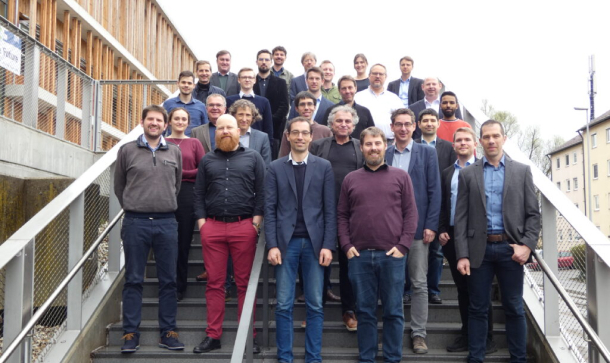
Clariant participates in a consortium for sustainable aviation fuels based on methanol led by the Fraunhofer Institute for Solar Energy System ISE. The goal is to replace fossil kerosene entirely while improving the efficiency of the production process. The project named “Sustainable Aviation Fuels based on Advanced Reaction and Process Intensification” (SAFari), involves collaboration with research institutes and industrial partners throughout the entire value chain.
Read press release
Synergy Fuels
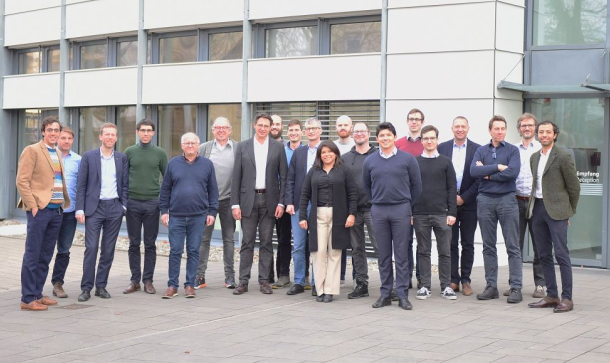
Together with academic & industry leaders, we participate in the SynergyFuels project, which aims to produce renewable fuels for aviation & road transport utilizing synergies of biomass-based and Power to X technologies. Clariant contributes catalysts and adsorbents to enable the process along the value chain for sustainable fuels.
Read on LinkedIn
Example of SAF use cases
Ineratec
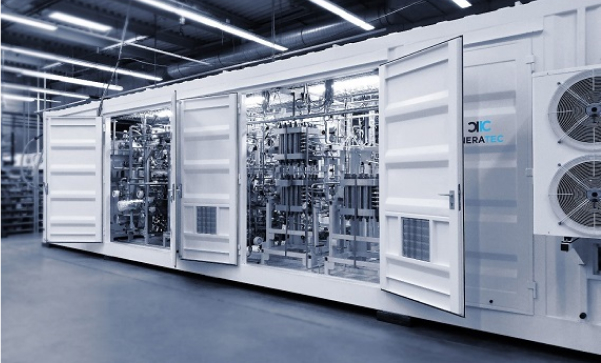
Ineratec´s ERA One plant in Germany is using ShiftMax 100 RE for Reverse Water Gas Shift to produce sustainable fuels. Ineratec is specialized in producing sustainable fuels and chemicals entirely in transportable containers. The gas-to-liquid process combines “green” hydrogen with carbon dioxide to form low-carbon synthetic hydrocarbons and fuels. As a strategic partner, Clariant provides its extensive catalysis expertise and broad portfolio of syngas conditioning and fuel upgrading catalysts to support Ineratec’s groundbreaking gas-to-liquid technology.
Ineratec ERA One plant in Hoechst, Germany
- Temporarily capture 100 000 tons of CO2 per year
- Produces 3 500 tons per year of e-fuels
- Start-up in 2024
Clariant ShiftMax 100 RE catalyst benefits
- High selectivity to avoid methanation
- High resistance against coking
- High CO2 conversion
- High-temperature stability