持続可能な航空燃料:よりグリーンな空への道を切り開く
航空産業の脱化石化に必要な、非化石原料から作られたジェット燃料

化学的および物理的相似性
SAFは従来のジェット燃料によく似た特性を備えており、既存の航空産業インフラにシームレスに統合することができます。

ライフサイクル排出量の低減
SAFは排出を劇的に低減し、より持続可能で環境にやさしい航空産業の実現に貢献します。

混合性と互換性
SAFは従来のJET燃料と安全に混合することが可能で、継続的に同じ供給インフラを利用できます。

航空機やエンジンの適応不要
SAFに移行しても、高価な航空機やエンジンの修正は必要なく、スムーズかつ費用効果の高い採用プロセスを実現できます。

持続可能な原料調達
SAFは持続可能な原料を使用して製造されているため、温室効果ガスの排出を低減できます。

How Clariant Catalysts enable scalable SAF production across HEFA, Alcohol-to-Jet, Methanol-to-Jet & Power-to-Liquids pathways
Aviation accounts for around 2.5% of global CO₂ emissions and is one of the hardest sectors to decarbonize. Sustainable Aviation Fuel (SAF), produced from renewable feedstocks like used cooking oil, agricultural waste, or CO₂, is the fastest, most cost-effective solution. As a drop-in fuel, SAF requires no aircraft modifications and works with existing infrastructure.
Catalysts are the critical technology enabling scalable, cost-competitive SAF production. With over 15 years dedicated to the energy transition and 30+ years of commercial fuel synthesis experience, Clariant offers proven catalyst and adsorbent solutions across all major SAF production routes: Hydroprocessed Esters and Fatty Acids (HEFA), Alcohol-to-Jet (AtJ), Methanol-to-Jet (MtJ), and Power-to-Liquids, improving process efficiency, yields, and economics.
クラリアントは主要なSAF生産ルート向けに触媒ソリューションを提供します。
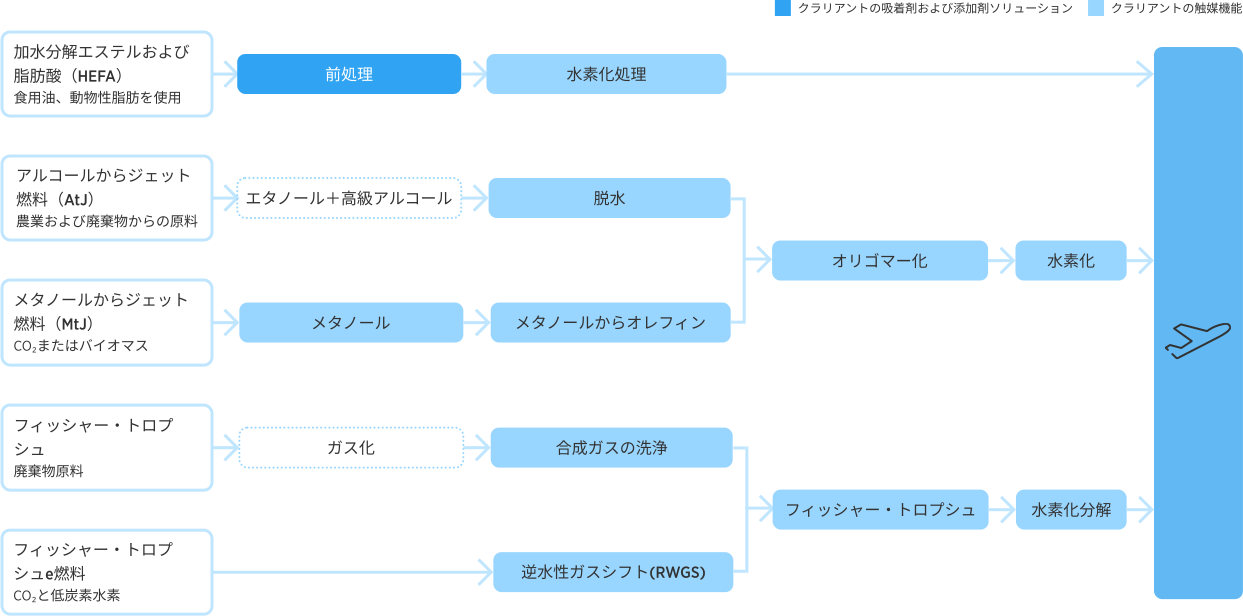
Clariant catalyst solutions for Alcohol-to-Jet (AtJ) SAF production
The Alcohol-to-Jet (AtJ) pathway offers a promising route to decarbonize aviation by utilizing alcohols derived from various sustainable sources, including fermentation of agricultural residues, waste biomass, or captured CO2.
Ethanol-to-Jet (EtJ) starts with the dehydration of bio-ethanol into ethylene, which is then oligomerized into longer hydrocarbon chains and finally hydrogenated to produce a jet fuel blendstock ready for use.
Methanol-to-Jet (MtJ) starts with the production of e-Methanol or green methanol from sustainable feedstock which is then converted into light olefins through the Methanol-to-Olefins (MTO) process, and subsequently oligomerized into longer-chain hydrocarbons and hydrogenated to produce a drop-in jet fuel blendstock.
Clariant provides complete catalyst solutions covering all relevant process steps:
- For the Ethanol-to-Jet route, SAFMaxTM 100 for converting renewable ethanol into ethylene.
- For the Methanol-to-Jet route, MegaMaxTM for methanol synthesis and MTPROPTM for the conversion of methanol to light Olefins.
- For the oligomerization steps, SAFMaxTM 300 catalysts produce higher olefins from ethylene and then SAFMaxTM 900 to convert these higher olefins to kerosene-range hydrocarbons.
- For the final hydrogenation step to upgrade to SAF-grade fuels, Clariant offers the precious metal HYSOPARTM 1000 catalysts or the nickel-based material NiSatTM 310 RS.
Our portfolio delivers the highest reliability and flexibility for efficient conversion of renewable alcohols into high-quality sustainable aviation fuel.
当社の触媒ポートフォリオのさらなる開発に焦点を置いた強固なR&Dの活動
主要な技術開発と研究コンソーシアム
SAFari
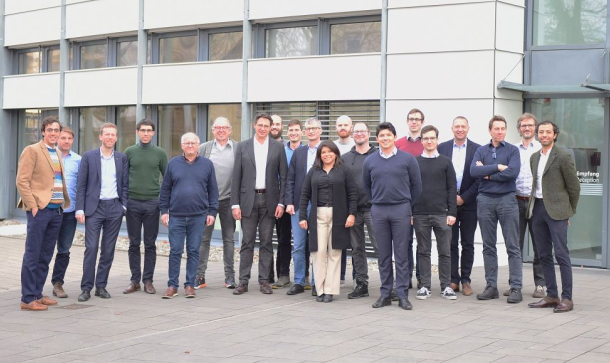
クラリアントは、Fraunhofer Institute for Solar Energy System ISE(フランフォファー太陽エネルギーシステム研究所)が主導する、メタノールを基にした持続可能な航空燃料に関するコンソーシアムに参加しています。 コンソーシアムの目標は、化石ケロシンを完全に置き換え、製造プロセスの効率性を向上させることです。「Sustainable Aviation Fuels based on Advanced Reaction and Process Intensification(SAFari、前進性反応とプロセス強化に基づく持続可能な航空燃料)」と名付けられたプロジェクトでは、価値連鎖全体にわたって、研究機関や業界パートナーと連携しています。
プレスリリースを読む
相乗効果燃料
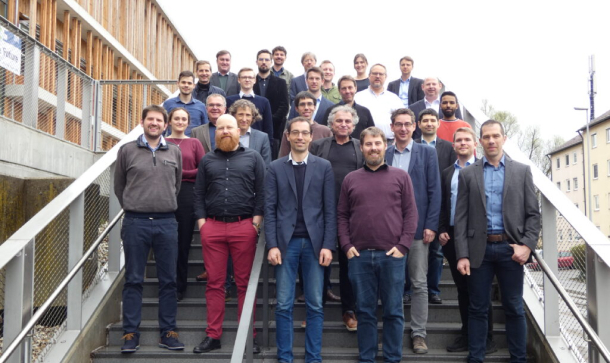
クラリアントは学術界や産業界のリーダーとともに、SynergyFuelsプロジェクトに携わっています。このプロジェクトは、バイオマスベース技術とパワー・トゥ・X技術の相乗効果を利用して、航空輸送および道路輸送向けの再生可能燃料を生産することを目標としています。クラリアントは触媒と吸着剤を提供し、価値連鎖に沿った持続可能燃料実現のプロセスを支援しています。
LinkedInで読む
SAFユースケースの例

Ineratec
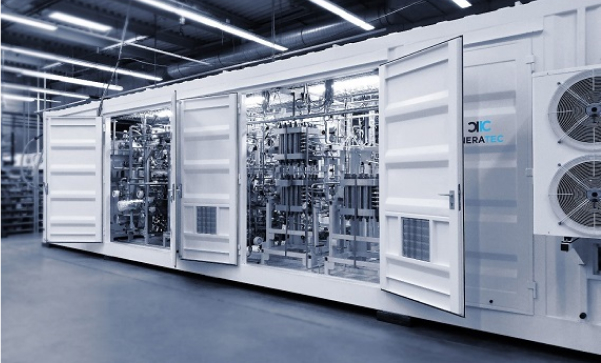
ドイツのIneratecのパワー・ツー・リキッドのパイオニア工場では、逆水素化(Reverse Water Gas Shift)にShiftMax 100 REを使用して、持続可能な燃料を生産します。 Ineratecは、サステナビリティ燃料や化学物質をすべて輸送可能な容器で製造することを専門としています。ガス・ツー・リキッドのプロセスでは、「グリーン」水素を二酸化炭素と結合し、低炭素合成水素炭素や燃料などを生み出します。 戦略パートナーとして、クラリアントは広範な触媒の専門知識と、幅広い品揃えの合成ガスコンディショニングや燃料をアップグレードする触媒を提供し、Ineratecの画期的なガス・ツー・リキッド技術をサポートしています。
ドイツ、ヘキストのIneratec新工場
- 当座のところ、毎年100,000トンのCO2を回収
- 毎年3,500トンのe燃料を生産
- 2024年に稼働
クラリアントShiftMax 100 RE触媒の利点
- メタン化を防止する高い選択性
- 高い耐コーキング性
- 高いCO2転化率
- 高温安定性